What Foods Contain Vitamin D?
Quick Answer
Vitamin D is naturally found in only a small number of foods. Oily fish, egg yolk, cod liver oil, and fortified foods are the most practical dietary sources, while fruits and vegetables are not major natural sources of vitamin D.
Source: NIH Office of Dietary Supplements: Vitamin D
Related pages: Qualiss Q More product page and Qualiss Store.
What Foods Contain Vitamin D? A Practical Guide
What foods contain vitamin D, and do fruits or vegetables provide enough of it? Most people think first about sunlight, but the food side matters too. The main dietary sources are oily fish, egg yolk, cod liver oil, and fortified products. Fruits and vegetables are not meaningful natural sources of vitamin D.
1. What Does Vitamin D Do in the Body?
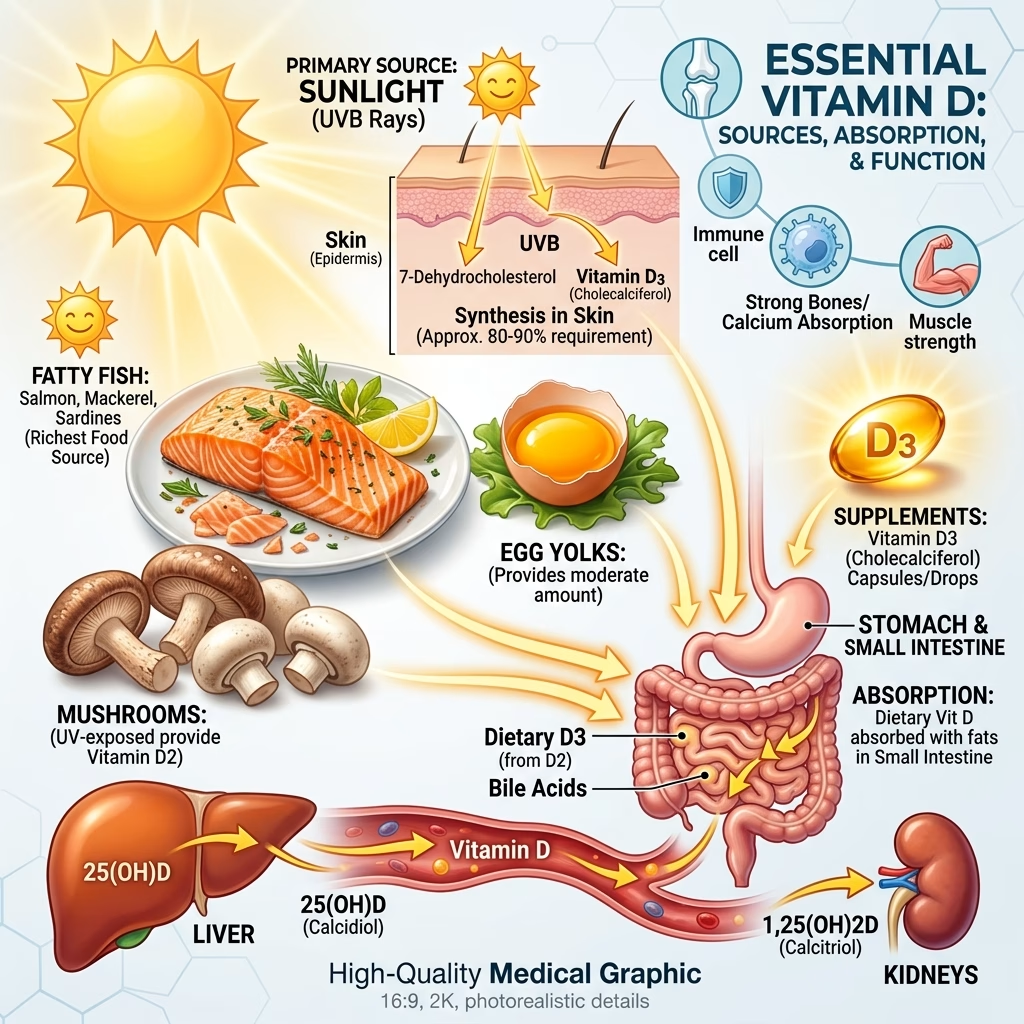
Vitamin D acts more like a hormone precursor than a simple vitamin. It is best known for supporting calcium absorption, bone health, muscle function, and normal immune function.
- Bones and teeth: supports normal calcium and phosphorus absorption
- Immune function: contributes to normal immune system activity
- Muscle function: helps maintain normal muscle performance
- Cell processes: plays a role in normal cell division
2. Foods Rich in Vitamin D
Natural dietary sources exist, but they are limited:
Animal sources (vitamin D3):
- Oily fish: salmon, mackerel, sardines, and tuna are among the best natural sources.
- Cod liver oil: often discussed as one of the most concentrated traditional sources.
- Egg yolk: contains smaller amounts, but it still contributes.
- Liver: provides some vitamin D, though it is not usually the main daily source.
Plant-based or fortified sources:
- UV-exposed mushrooms: may provide vitamin D2, but D3 is often considered the more effective form in the body.
- Fortified foods: some plant milks, breakfast cereals, and juices are fortified with vitamin D.
3. Do Fruits and Vegetables Contain Vitamin D?
Short answer: not in meaningful amounts. Fruits and vegetables are healthy for many reasons, but they are not reliable vitamin D sources. That is why people with low sun exposure often look at fortified foods or supplementation instead of produce alone.
4. Should You Choose Vitamin D3 or D2?
Both forms exist, but vitamin D3 is usually preferred in supplements because it is commonly considered the stronger option for raising and maintaining blood vitamin D levels.
- Vitamin D3: usually sourced from animal-based ingredients and more commonly chosen in supplements
- Vitamin D2: found in mushrooms and some fortified foods, but often viewed as less potent
5. Common Signs of Low Vitamin D
Low vitamin D can be subtle. Common reasons people investigate it include fatigue, low mood, frequent illness, muscle weakness, or bone discomfort. A blood test is the usual way to confirm status.
6. How Should Vitamin D Be Taken?
Because vitamin D is fat-soluble, absorption is usually better when it is taken with a meal that includes fat.
- Take it with food: especially with a meal that contains healthy fats
- Avoid empty-stomach routines when possible: absorption may be lower
- Consider supportive pairings: some routines combine vitamin D3 with K2, depending on the product and personal plan
7. Who May Need Extra Attention to Vitamin D?
- People with low sun exposure: office workers, shift workers, and winter-heavy climates
- Older adults: the skin becomes less efficient at producing vitamin D with age
- People with darker skin tones: higher melanin can reduce vitamin D synthesis speed
- Pregnant or breastfeeding women: needs should be reviewed with a clinician
8. Frequently Asked Questions
Do fruits contain vitamin D?
Not in meaningful natural amounts. Oily fish, egg yolk, and fortified foods are much more relevant sources.
How much vitamin D do adults usually take?
Needs vary, so dosage should follow lab values, diet, sun exposure, and clinical advice.
Can too much vitamin D be harmful?
Yes. High-dose supplementation without guidance can cause problems, so long-term dosing should be reviewed carefully.
How much sunlight is usually discussed?
This depends on skin tone, season, clothing, sunscreen use, and geography, so there is no one rule for everyone.
Vitamin D Support with Qualiss Q More
When sunlight and diet are not enough, a daily formula that includes vitamin D can be a practical option. Qualiss Q More combines vitamin C, vitamin D, zinc, selenium, propolis, probiotics, elderberry, and beta glucan in one routine.
Scientific Sources and References
- [1] National Institutes of Health (NIH). Vitamin D Fact Sheet for Health Professionals. NIH Office of Dietary Supplements
- [2] Tripkovic, L., et al. (2012). Comparison of vitamin D2 and vitamin D3 supplementation in raising serum 25-hydroxyvitamin D status. American Journal of Clinical Nutrition, 95(6), 1357-1364. PubMed
This content is educational and does not replace personal medical advice. Food supplements are not intended to diagnose, treat, cure, or prevent disease.
Frequently Asked Questions About Vitamin D Foods
Do fruits contain vitamin D?
No, not in meaningful natural amounts. The more relevant food sources are oily fish, egg yolk, cod liver oil, and fortified products.
When is a vitamin D supplement usually considered?
People usually review supplementation when sun exposure is low, diet is limited, or blood work suggests intake may not be enough.
Product link: Explore Qualiss Q More.

