


WHAT IS THE IMMUNE SYSTEM?

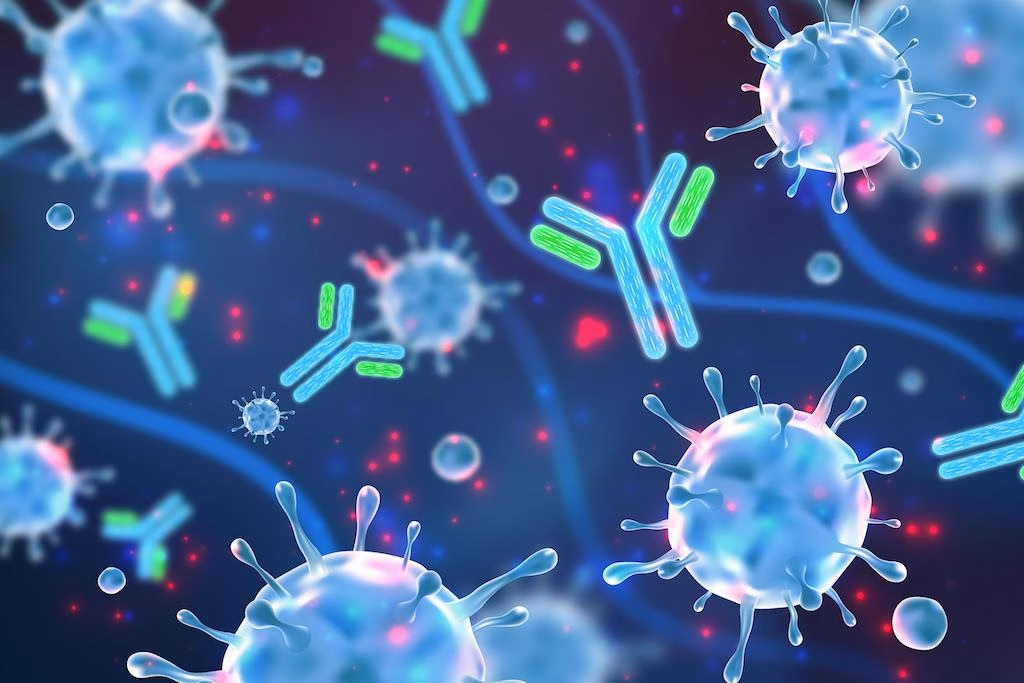
What Is the Immune System? Our Body’s Defense Shield
The immune system is an extraordinarily complex and intelligent defense network that protects our body against harmful pathogens—bacteria, viruses, fungi, parasites, and even our own body’s defective cells that tend to become cancerous. This flawless cooperation, carried out jointly by cells, tissues, and organs, is the fundamental key to maintaining a healthy life.
How Does the Immune System Work? The Distinction Between “Self” and “Foreign”
The most basic task of the immune system is to recognize foreign molecules (antigens) that enter the body and distinguish them from a person’s “own” healthy cells. When the system works correctly, it detects foreign structures, develops an effective attack strategy against them, destroys them, and stores them in its memory for a possible future encounter. The immune system basically consists of two main divisions:
- Natural (Innate) Immune System: It is the body’s inborn first line of defense. It gives a quick but general response to any kind of foreign substance it encounters, without discrimination. The skin, stomach acid, enzymes in tears, and white blood cells called “phagocytes,” which engulf and destroy pathogens that manage to get into the body, are the building blocks of this group.
- Acquired (Adaptive) Immune System: It is the specific line of defense. When a pathogen enters the body, it produces special weapons (antibodies) against it. T lymphocytes and B lymphocytes (T and B cells) are the main soldiers of this system. This system “remembers” a disease it has encountered before (immunological memory); so when the same organism attacks again, it develops a much faster and stronger response. The working principle of vaccines is also based entirely on this immunological memory.
What Are the Main Parts of the Immune System?
The soldiers of this defense mechanism are distributed across different regions of the body:
- White Blood Cells (Leukocytes): They are produced from a common stem cell in the bone marrow and include lymphocytes (B and T cells) and phagocytes. They constantly patrol by circulating through the body.
- Bone Marrow: It is the production center of blood cells and immune system cells.
- Thymus Gland: Active especially in childhood and adolescence, this gland is a critical organ where T cells are trained and matured.
- Spleen: It is the organ that filters the blood, destroys aged blood cells, and coordinates lymphocytes to fight infections.
- Lymph Nodes and the Lymphatic System: They are our network of lymph vessels spreading throughout the body and our lymph nodes, which swell during infection and serve as “outposts” where lymphocytes fight.
What Happens When the Immune System Makes a Mistake?
The defense system may not always work flawlessly. If the immune system perceives its own cells as “foreign” or a “threat” and starts fighting them, autoimmune diseases (such as rheumatoid arthritis, Hashimoto’s thyroiditis, and type 1 diabetes) arise. When it overreacts to harmless substances (pollen, dust, peanuts), conditions known as allergies occur.
Why Is It Important to Protect the Immune System?
Although genetic factors influence the nature of immunity, chronic stress, insufficient sleep, poor nutrition, and inactivity dramatically weaken immune functions. A decline in immune system resistance leaves the body open to both simple infections (the common cold) and chronic, life-threatening infections. For this reason, eating a balanced diet, maintaining the vitamin/mineral balance (such as vitamin C, zinc, and vitamin D), and adopting healthy lifestyle habits are a necessity for keeping our “shield” strong.
Scientific References:
- Chaplin, D. D. (2010). Overview of the immune response. Journal of Allergy and Clinical Immunology, 125(2 Suppl 2), S3-23. https://www.ncbi.nlm.nih.gov/pmc/articles/PMC2923430/
- Nicholson, L. B. (2016). The immune system. Essays in Biochemistry, 60(3), 275-301. https://www.ncbi.nlm.nih.gov/pmc/articles/PMC5091071/
- Hoebe, K., Janssen, E., & Beutler, B. (2004). The interface between innate and adaptive immunity. Nature Immunology, 5(10), 971-974. https://pubmed.ncbi.nlm.nih.gov/15454922/
One thought on “BAĞIŞIKLIK SİSTEMİ (IMMUN SİSTEM) NEDİR?”