



FOODS THAT STRENGTHEN THE IMMUNE SYSTEM

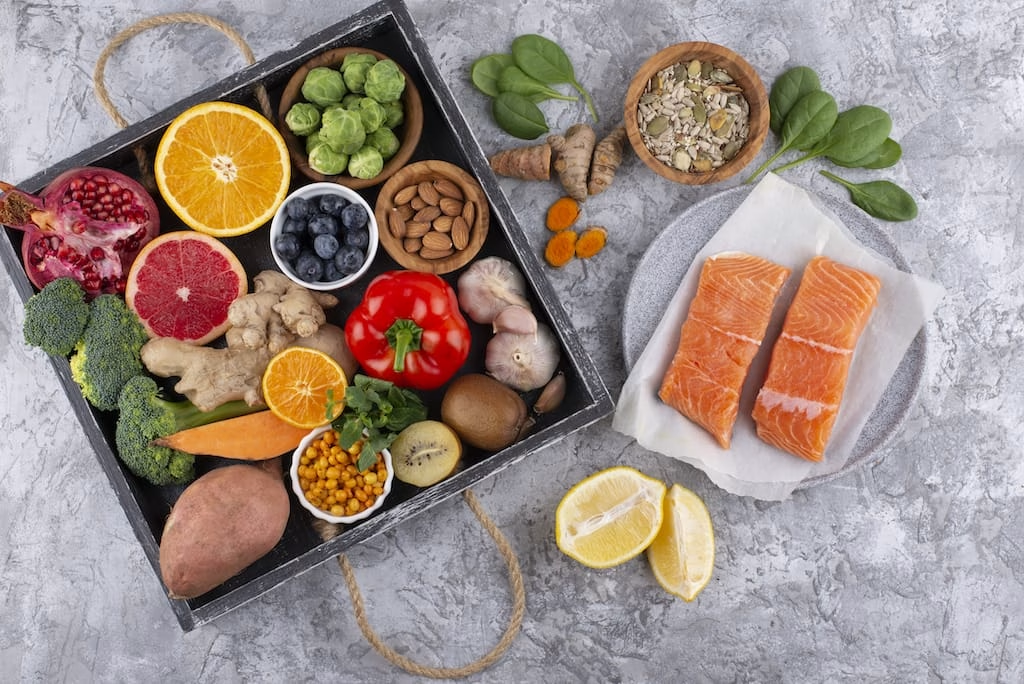
Foods That Strengthen the Immune System: A Nutrition Guide for a Healthy Life
The immune system is a complex defense network that protects our body against viruses, bacteria, and other harmful pathogens. For this system to work properly and strongly, it is essential to regularly take in the right macro- and micronutrients (vitamins, minerals, and antioxidants). Because our body cannot always produce these nutrients on its own at sufficient levels, consuming the right foods plays a critical role for immune functions.
1. Sources of Vitamin C: Citrus Fruits and Peppers
Vitamin C (ascorbic acid) is one of the most popular vitamins that support the immune system. It stimulates the production of white blood cells (especially phagocytes and lymphocytes) and protects cells from oxidative stress caused by free radicals. Because the human body cannot synthesize or store vitamin C, it must be taken daily.
- Good Sources: In addition to citrus fruits such as oranges, mandarins, lemons, and grapefruit; red and green bell peppers, kiwi, and strawberries are extremely rich in vitamin C.
2. Vitamin A and Beta-Carotene: Carrots, Spinach, Broccoli
Vitamin A helps form the first line of defense against infections by maintaining the integrity of the skin and mucous membranes (respiratory and digestive tracts). In plant foods, vitamin A is found in the form of beta-carotene, an antioxidant that is converted into vitamin A in the body.
- Good Sources: Carrots, sweet potatoes, pumpkin, spinach, broccoli, and other dark green leafy vegetables.
3. Zinc-Rich Foods: Nuts and Seafood
Zinc is an indispensable trace element for the normal development and function of immune system cells. In zinc deficiency, the development of lymphocytes (a type of white blood cell) is adversely affected and the body’s ability to fight infections declines.
- Good Sources: Seafood such as oysters and crab; red meat; nuts such as pumpkin seeds, sesame, almonds, and walnuts; and legumes.
4. Probiotics for Gut Health: Yogurt and Kefir
About 70% of our immune cells are located in our intestines. For this reason, the balance of the microbiome is directly linked to the systemic immune response. Probiotic bacteria increase the population of beneficial bacteria in the intestine and prevent pathogens (harmful bacteria) from passing from the intestinal wall into the bloodstream.
- Good Sources: Homemade yogurt, kefir, homemade pickles (fermented foods such as kombucha and kimchi).
5. Anti-Inflammatory Plants: Garlic, Ginger, and Turmeric
Chronic inflammation can suppress the immune system. Consuming natural anti-inflammatory foods prevents the body from coming under unnecessary stress.
- Garlic: Thanks to the sulfur compound called “allicin” it contains, it has strong antibacterial and antiviral properties.
- Ginger: It is quite effective in reducing the symptoms of sore throat and inflammatory diseases.
- Turmeric: Its active component, curcumin, is a natural anti-inflammatory. It should be consumed together with black pepper and olive oil to increase its effect.
6. Omega-3 and Healthy Fats
Omega-3 fatty acids regulate the functions of white blood cells and have an inflammation-reducing effect in the body. By keeping cell membranes healthy, they may also make it harder for viruses to enter cells.
- Good Sources: Fatty fish such as salmon, mackerel, and sardines, along with chia seeds, flaxseed, and walnuts.
7. Polyphenols and Antioxidants
Antioxidants, which fight free radicals and delay cellular aging, are important for supporting immunity.
- Good Sources: Blueberries (anthocyanin), green tea (EGCG), unsweetened dark chocolate (should be consumed in moderation).
Conclusion
There is no single “miraculous” food that strengthens the immune system; a healthy immune system is the result of a balanced and colorful eating pattern that includes all macro- and micronutrients. In addition to suitable nutrients, adequate water intake, quality sleep, and staying away from stress are also vitally important for maximizing your immune resistance. If your daily eating routine falls short, support can also be obtained from properly formulated dietary supplements (for example, vitamin C, vitamin D, or zinc supplements) with the advice of a health professional.
Scientific References:
- Carr, A. C., & Maggini, S. (2017). Vitamin C and Immune Function. Nutrients, 9(11), 1211. https://www.ncbi.nlm.nih.gov/pmc/articles/PMC5707683/
- Wessels, I., Maywald, M., & Rink, L. (2017). Zinc as a Gatekeeper of Immune Function. Nutrients, 9(12), 1286. https://www.ncbi.nlm.nih.gov/pmc/articles/PMC5748737/
- Wypych, T. P., Wickramasinghe, L. C., & Marsland, B. J. (2019). The influence of the microbiome on respiratory health. Nature Immunology, 20(10), 1279-1290. https://pubmed.ncbi.nlm.nih.gov/31534246/
- Mousavi, S. M., et al. (2019). The effects of green tea consumption on metabolic and anthropometric indices in patients with Type 2 diabetes. Journal of Traditional and Complementary Medicine, 10(6), 598-605. https://www.ncbi.nlm.nih.gov/pmc/articles/PMC7796401/