



WHAT IS VITAMIN D DEFICIENCY, WHAT ARE ITS SYMPTOMS AND CAUSES?

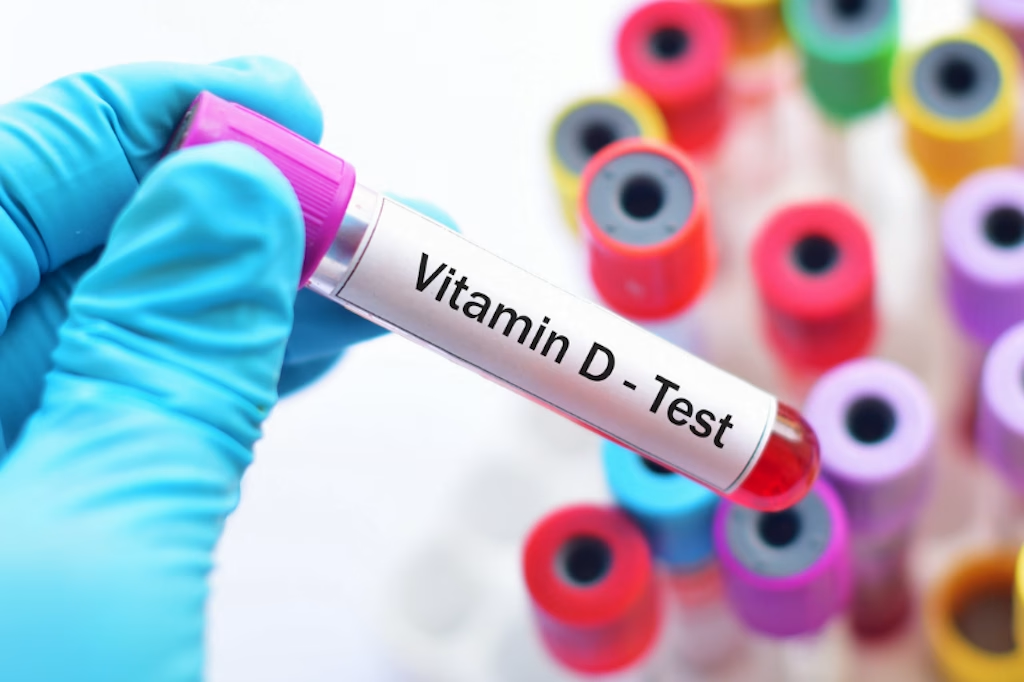
WHAT IS VITAMIN D DEFICIENCY?
Vitamin D deficiency means you are not getting enough vitamin D to stay healthy.
D vitamini eksikliği çok yaygındır. Dünya çapında yaklaşık 1 milyar insanın bu vitaminin kan düzeylerinin düşük olduğu tahmin edilmektedir.
Normal alımlar zamanla önerilen seviyelerden daha düşük olduğunda, güneş ışığına maruz kalma sınırlı olduğunda, böbrekler 25(OH)D’yi aktif formuna dönüştüremediğinde veya D vitamininin sindirim sisteminden emilimi yetersiz olduğunda insanlarda D vitamini eksikliği gelişebilir. D vitamini açısından düşük diyetler, süt alerjisi veya laktoz intoleransı olan kişilerde ve ovo-vejetaryen veya vegan diyeti tüketenlerde daha yaygındır. Bu noktada düzenli olarak D vitamini içeren besinler tüketmek önemli bir destek sağlar.
The best indicator of the body's vitamin D level is 25(OH)D (calcidiol) stored in the liver.
In recent years, the lower level has been accepted as 20-30ng/mL. These levels may protect against bone diseases, but unfortunately not against many non-bone diseases related to vitamin D.
WHAT SHOULD THE LEVEL OF VITAMIN D BE?
The level of vitamin D in the blood is measured in nanograms per milliliter (ng/ml). According to many studies, the average accepted levels of vitamin D in the blood and the results are as follows.
Severe vitamin D deficiency (rickets, osteomalacia).......<20 ng/ml
Marginal vitamin D deficiency.........21-29 ng/ml
Latent vitamin D deficiency............... 30-50 ng/ml
Normal ........................... .................... 52-100 ng/ml
WHAT ARE THE SYMPTOMS OF VITAMIN D DEFICIENCY?
-
Fatigue:
Excessive fatigue and weakness can be a sign of vitamin D deficiency. Taking supplements can help improve energy levels.
-
Bone and muscle pain:
There is a link between chronic pain and low levels of vitamin D in the blood. It may be related to the interaction between the vitamin and the nerve cells that sense pain.
Pain, especially in the legs, back, pelvis and buttocks; low blood levels of vitamin D may be a cause or contributing factor to bone pain and lower back pain.
-
Getting sick and infected more often:
D vitamini bağışıklık fonksiyonunda önemli roller oynar. Eksikliğin en yaygın semptomlarından biri, hastalık veya enfeksiyon riskinde artıştır. Günlük yaşamda bağışıklık desteğini sürdürmek isteyenler için C, D vitamini ve propolis içeren destek formülleri değerlendirilir.
-
Depression:
Depression is associated with low levels of vitamin D, and some research has found that supplementation improves mood.
-
Slow healing of wounds:
Insufficient vitamin D levels can lead to poor wound healing after surgery, injury or infection.
-
Hair loss:
Hair loss can be a sign of vitamin D deficiency in female pattern hair loss or the autoimmune condition alopecia areata.
-
Bone loss:
Düşük kemik mineral yoğunluğunun teşhisi, D vitamini eksikliğinin bir işareti olabilir. Bu vitaminden yeterince almak, yaşlandıkça kemik kütlesini korumak için önemlidir.
-
Fractures:
Düşük kemik mineral yoğunluğunun teşhisi, D vitamini eksikliğinin bir işareti olabilir. Bu vitaminden yeterince almak, yaşlandıkça kemik kütlesini korumak için önemlidir.
-
Weight gain:
Obesity is a risk factor for vitamin D deficiency. There is also research showing that vitamin D deficiency may increase the risk of weight gain.
-
Concern:
Studies on the elderly have shown that vitamin D levels affect mood and can lead to depressive mood symptoms. Vitamin D supplementation may help reduce depressive symptoms during the winter months.
WHAT ARE THE CAUSES OF VITAMIN D DEFICIENCY?
- Air pollution,
- Use sunscreen (a sunscreen with a protection factor of 30 can reduce the body's ability to synthesize vitamins by 95%).
- Spending too much time indoors,
- Avoiding direct sun exposure,
- Not getting enough vitamin D from food,
- Karaciğer veya böbreklerin iyi çalışmaması, kronik bir rahatsızlığa sahip olmak.
- Irregular sleep,
- to have dark skin,
- being an older adult,
- being overweight or having obesity.
- not eating a lot of fish or drinking milk,
- Having a health condition that affects nutrient absorption, such as Crohn's disease or Celiac disease.
- Gastric bypass surgery,
- Taking certain medications that affect vitamin D metabolism.
* These statements are not a substitute for medical advice. Dietary supplements are not intended to diagnose, treat, cure or prevent any disease. Consult your healthcare professional for detailed information.
References:
http://Vitamin D. National Institue of Health
http://www.beslenmebulteni.com/butun-yonleri-ile-d-vitamini/
https://www.healthline.com/health/vitamin-d-for-acne#how-to-use-vitamin-d